
Gambling’s cultural roots Understanding its significance in societies worldwide
Gambling’s cultural roots Understanding its significance in societies worldwide
 admins
Gambling’s cultural roots Understanding its significance in societies worldwide
The Historical Context of Gambling
Gambling has deep historical roots that trace back to ancient civilizations. Archaeological evidence shows that games of chance were played in ancient China, Egypt, and Rome, where they served not only as entertainment but also as a means of social interaction and cultural expression. These activities often intertwined with religious practices, as games were believed to be influenced by the whims of the gods, further embedding gambling within the fabric of society. In today’s digital age, many are discovering how gaming shapes our lives through platforms like https://wtfgames.io/game/games-are-no-longer-just-entertainment-its-our-new-reality/, which offer unique experiences.
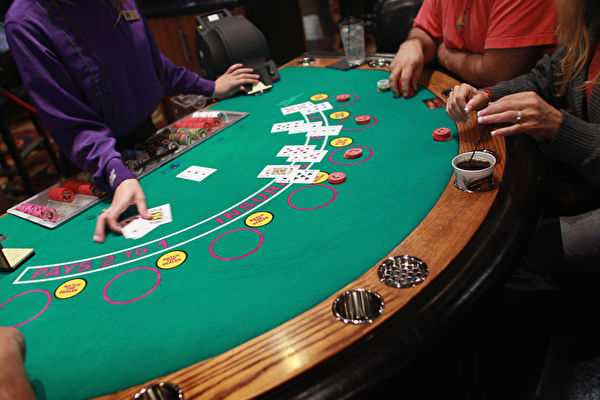
Throughout history, gambling has evolved in response to cultural shifts and technological advancements. In medieval Europe, for instance, the introduction of card games transformed the gambling landscape. As societies modernized, gambling expanded into public venues, like casinos, becoming a popular form of recreation and leisure. Today, the rich tapestry of gambling history highlights its role in shaping social structures and community bonds across various cultures.
Gambling as a Social Activity
In many cultures, gambling is more than just a solitary pursuit; it serves as a communal activity that fosters connections among individuals. Whether it’s participating in Pinco Casino events or playing poker with friends, gambling often encourages social bonding and friendly competition. These gatherings create a sense of belonging and community, which can be particularly significant in cultures where communal ties are emphasized.
The social aspect of gambling is particularly evident in regions known for their vibrant gaming scenes, such as Las Vegas or Macau. These cities attract visitors not just for the games but for the shared experiences and stories that develop within their walls. Gambling can act as a social lubricant, breaking down barriers and facilitating interactions across diverse groups.
Cultural Symbolism in Gambling
Gambling carries profound cultural symbolism, often reflecting societal values and beliefs. In some cultures, luck and fate play pivotal roles in gambling, embodying the broader human experience of risk and reward. For example, in various Asian cultures, the act of gambling can be seen as a manifestation of one’s relationship with fortune and destiny, influencing how games are played and perceived.
Additionally, gaming at places like Pinco Casino Canada symbolizes status and wealth, as high-stakes games often attract affluent players. This interplay of risk and reward not only shapes personal identities but also serves as a commentary on societal hierarchies. The narratives built around gambling can reveal insights into a culture’s views on chance, success, and morality.
The Impact of Technology on Gambling
The advent of technology has significantly transformed gambling practices worldwide. Online platforms, including Pinco Casino Online, have made it easier for individuals to engage in games from the comfort of their homes. This shift has democratized access to gambling, allowing a broader audience to participate in various gaming experiences.
Furthermore, technology has facilitated the rise of new gaming formats, such as virtual casinos and esports betting, which have gained popularity among younger generations. These innovations reflect changing attitudes toward gambling and have introduced new cultural dynamics, making it essential to understand how these technological advancements shape contemporary gambling practices and perceptions.

Exploring New Realms of Gaming
As the gambling landscape evolves, platforms like WTF Games.io offer unique experiences that blend traditional gaming elements with modern storytelling. These digital spaces provide opportunities for players to engage in immersive narratives and dynamic interactions, demonstrating how gambling can be integrated into a broader cultural framework. Here, gaming transcends mere entertainment and becomes a powerful medium for social interaction and cultural exchange.
In this increasingly digital world, the significance of gambling continues to grow. As societies adapt to new technologies and cultural trends, understanding the cultural roots of gambling becomes crucial. It highlights the importance of communal experiences and the need for responsible engagement in gaming and gambling activities.
